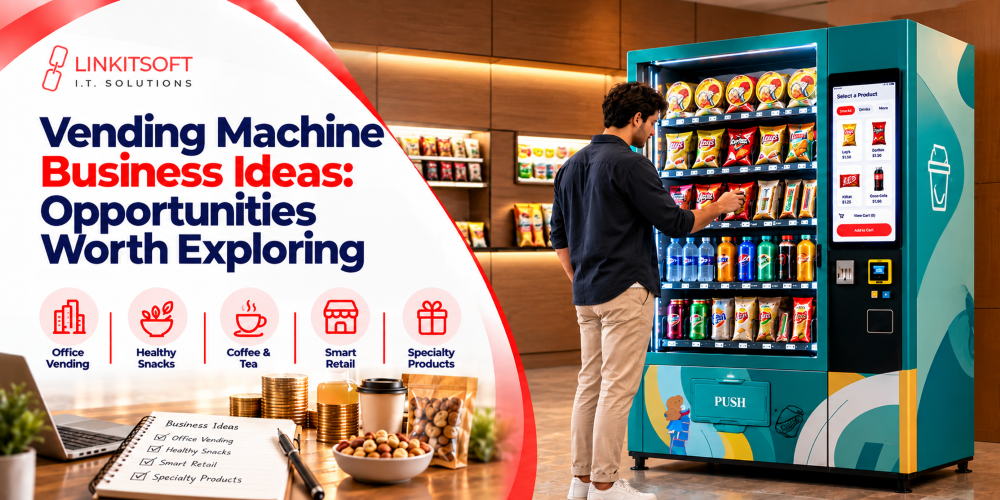
A vending machine business can start with one machine in a busy spot and grow from there. Which idea works for you depends on what people nearby actually need. Then it comes down to where you plan to sell and how much you can put in. Here are some ideas worth a look, plus what you need to get going.
What Are the Best Vending Machine Business Ideas?
Vending isn’t just chips and cold drinks anymore. Depending on the location, you could sell anything from fresh meals to phone chargers. So, let’s take a look at some of the top ideas.
Snack and Beverage Vending Machines
This is where most new operators begin, because everyone knows what to expect. Places like offices and schools definitely work. However, hospitals and transport hubs can do even better. As long as the products suit the people using the space.
You’d stock water, soft drinks, chips, biscuits, chocolate, and other packaged snacks. Most keep well and are easy to store, and you have plenty of suppliers to choose from.
Competition is the catch. If shops or other machines sit nearby, customers need a reason to pick yours. Better variety, easy payment, or hard to find items can do it. Your margin depends on wholesale prices, what you charge, location fees, and running costs.
Healthy Food and Fresh Meal Vending Machines
Good for places where people want something quick but have few convenient options, like office buildings, hospitals, campuses, fitness centers, and residential complexes. Think protein bars, nuts, fruit, salads, sandwiches, yogurt, or ready meals.
Fresh food takes more work than packaged snacks. You’ll probably need refrigeration, reliable suppliers, frequent restocking, and temperature monitoring. Some products sell within a short window, so unsold stock cuts into profit quickly. Look closely at how many people pass through and what they buy before you commit. A machine full of meals earns little if demand is unpredictable.
Coffee and Specialty Drink Vending Machines
Coffee machines do well in offices, hospitals, colleges, and hotels, where people want a hot drink without a queue. Depending on the equipment, you could offer coffee, tea, hot chocolate, or specialty drinks.
Customers often come back several times a week, which helps. A machine in a busy workplace can sell all day instead of relying on occasional buyers.
Equipment needs thought, though. A basic machine and one that grinds beans, makes several drinks, and takes cashless payments cost very different amounts to buy and maintain. Fresh milk means more cleaning and care. Match the machine to the customer. An office wants quick, consistent coffee. A premium hotel may expect more choice and better quality.
Personal Care and Essential Item Vending Machines
Sometimes the best opportunity is selling something people need unexpectedly. These machines suit customers who don’t want to leave the building or hunt for a shop.
Possible products:
- Sanitary pads and tissues
- Hand sanitizer and toiletries
- Toothbrushes and disposable masks
- Travel sized personal care items
They work well in universities, airports, hotels, public facilities, shopping centers, and large workplaces. A traveler who forgot a toothbrush will happily pay for the convenience. Pick products that suit the people passing by, think about privacy and access, and check that the venue allows what you want to sell.
Electronics Accessories Vending Machines
Phone accessories sell where people lean on their devices all day, like airports, malls, hotels, universities, and entertainment venues. Someone with a dying phone will value finding a charger nearby more than finding the lowest price.
That convenience lets you charge more than a regular retailer. But products must work reliably, and customers expect them to fit their devices. Cheap cables lead to complaints. You’ll also juggle different connector types and shifting demand as devices change. Start with a small range of reliable items, review sales often, and drop what doesn’t move.
Specialty and Niche Product Vending Machines
If standard snack machines feel too crowded, a niche idea focuses on one group of customers in a place where your products matter. Some options:
- Pet supplies: Treats, waste bags, and small pet care items near pet parks or pet friendly buildings.
- Fitness products: Protein snacks, electrolyte drinks, and resistance bands in gyms or sports centers.
- Travel essentials: Eye masks, earplugs, adapters, and toiletries in hotels or transport hubs.
- Beauty products: Hair ties, makeup wipes, and compact personal care items in shopping centers.
- Hobby and entertainment items: Small toys, collectibles, or activity kits in family entertainment centers and tourist spots.
Niche only works when you understand a real need. Pet essentials could do well near a busy dog park and sit untouched in an office. Something unusual might draw attention without producing regular sales, so test demand before buying a specialized machine.
How Do You Choose the Right Vending Machine Business Idea?
An idea can look great on paper and still struggle once the machine is in place. The difference usually comes down to location, customers, and ongoing costs. Weigh these before spending anything:
- Customer demand: Work out who will use the machine and what they’ll buy. If you can, talk to the property manager or watch the spot at different times of day.
- Location suitability: Busy doesn’t always mean good. People need time to stop and easy access. A smaller waiting area can beat a corridor where everyone rushes through.
- Product shelf life: Packaged snacks and accessories are easier to manage than fresh meals. Pick a range you can store, transport, and refill properly.
- Competition: Check nearby shops, cafeterias, and machines. Understand why someone would choose yours, whether that’s convenience, hours, or payment options.
- Equipment and inventory costs: Budget for stock, delivery, installation, payment gear, software, electricity, maintenance, and location fees. Specialized machines cost more.
- Potential profit: Selling 300 items at a margin of Rs. 50 each gives Rs. 15,000 in gross product margin. That isn’t your final profit, since commission, payment fees, transport, and maintenance still come out.
Also check whether the location charges a fixed rent or takes a share of sales. That choice can noticeably change your earnings in quiet months.
What Do You Need to Start a Vending Machine Business?
You don’t need a fleet on day one, but you do need a plan for buying, stocking, and managing your first machine.
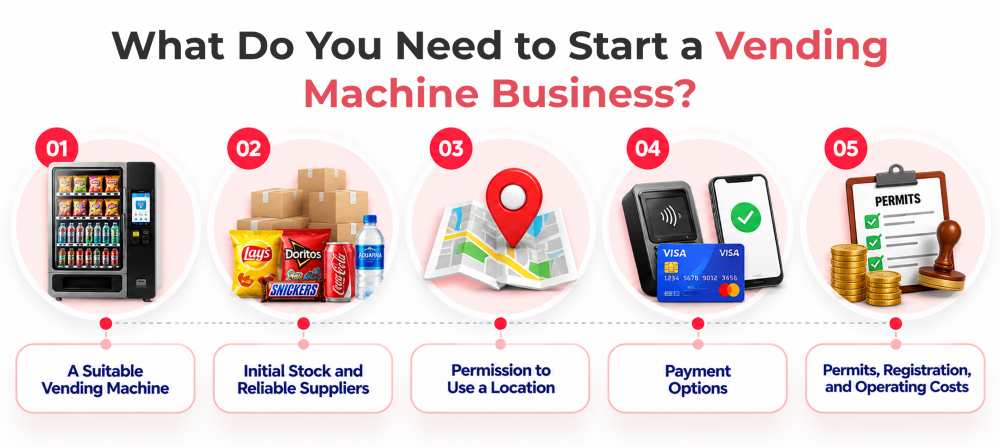
A Suitable Vending Machine
Pick equipment based on what you’ll sell. A snack machine won’t suit fresh meals, coffee, or delicate accessories. Check capacity, dispensing mechanism, power needs, payment compatibility, warranty, and spare parts. If you’re buying used, inspect it and make sure the controller and payment system still work. The cheapest machine can cost more over time if it keeps breaking down.
Initial Stock and Reliable Suppliers
Buy enough to open the machine and keep it stocked while you learn how fast things sell, but start with a manageable range. Look for suppliers with steady quality, fair wholesale prices, and dependable availability. Check expiry dates on packaged goods and test accessories before you sell them. Adjust stock as real sales come in so you don’t tie up money in slow items or run out of favorites.
Permission to Use a Location
You need permission to put the machine somewhere customers can reach it. Contact the owner or manager of an office, apartment building, hospital, college, gym, hotel, or shop. Explain what you’ll sell, how you’ll maintain it, and what the venue gets out of it.
Get the agreement in writing and cover rent or commission, electricity, restocking access, responsibility for damage, operating hours, and contract length.
Payment Options
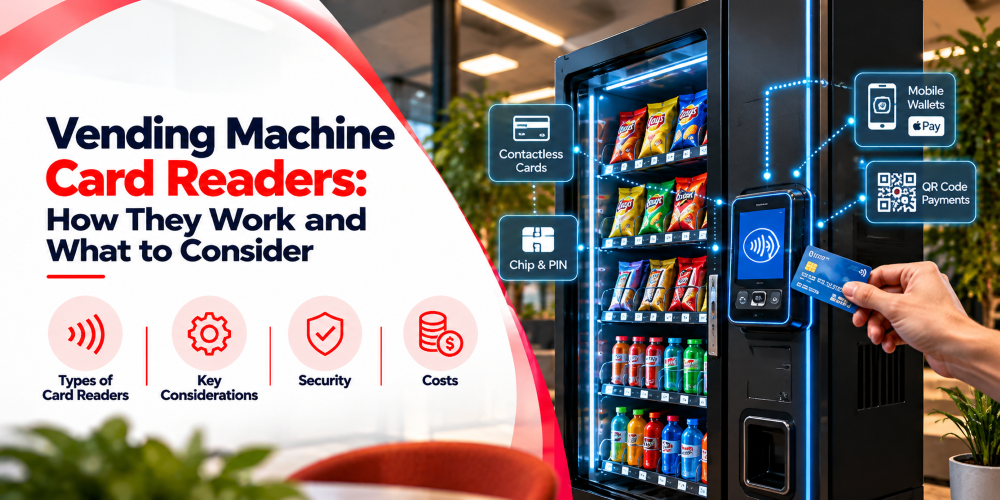
Cash may still suit some places, but cashless makes buying easier for people who rarely carry coins. Depending on your market, you might offer card readers, contactless, QR payments, or a mix. Before you buy equipment, confirm it works with your machine and the methods your customers use. Check transaction fees, connectivity needs, settlement times, and what happens if a payment clears but the product doesn’t drop.
Permits, Registration, and Operating Costs
Requirements depend on where you operate and what you sell. You may need business or tax registration, location permission, or approvals for certain products. Food and drink can bring hygiene, storage, or food safety rules. Check with your local authorities early, since they can affect your equipment and costs. Keep some money aside too. Machines break, supplier prices rise, and sales can take longer to build than you hoped.
How Can Vending Machine Software Help Manage Your Business?
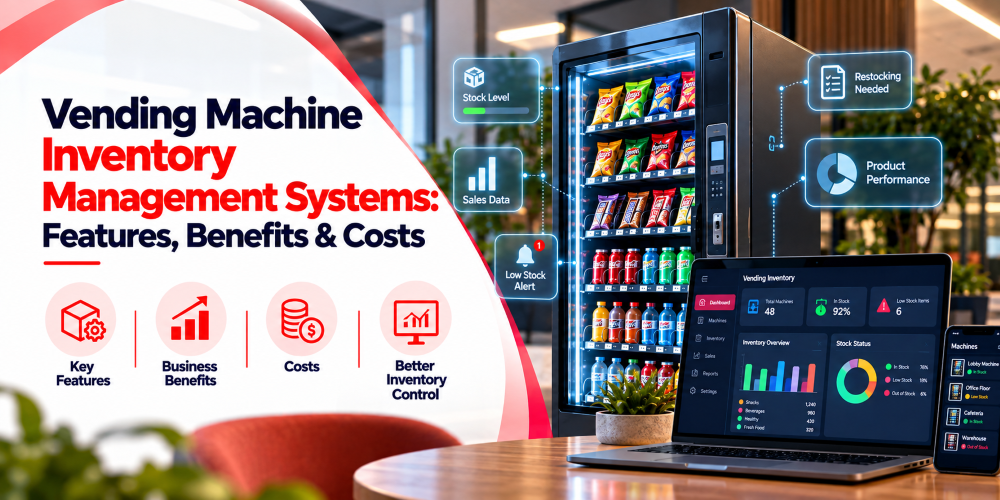
One machine is easy to manage by hand. With more machines or more product types, tracking stock, sales, payments, and maintenance gets harder. Vending software pulls that information together so you decide based on what’s really happening.
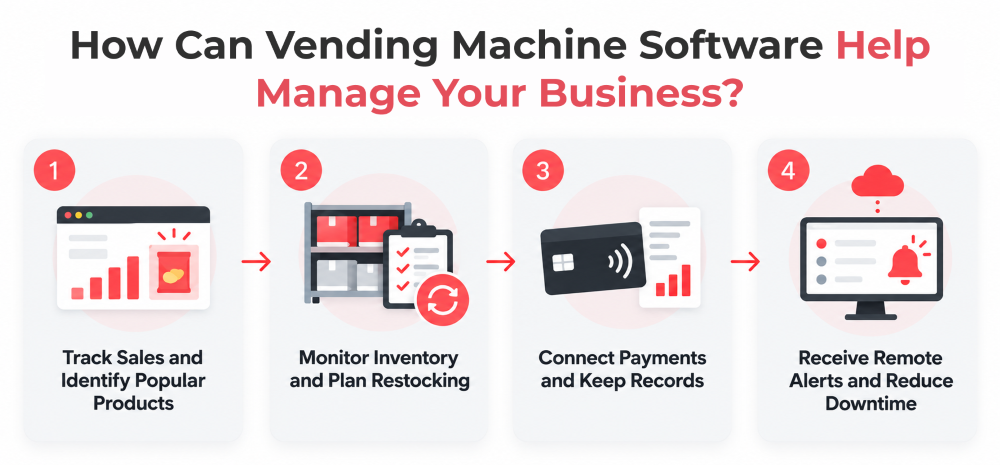
Track Sales and Identify Popular Products
Sales reports show what sells, how much each machine earns, and when people buy. A gym machine might sell more water and protein snacks in the evening, while an office machine peaks in the morning and at lunch. Spotting patterns lets you tune stock and pricing for each place instead of using one mix everywhere.
Monitor Inventory and Plan Restocking
Inventory tracking shows what’s running low and what isn’t moving. Depending on the setup, stock updates from sales data or needs manual entry. Instead of visiting every machine on a fixed schedule, you can head to the ones that need attention with the products most likely to sell. That means fewer wasted trips and less missed or wasted stock.
Connect Payments and Keep Records
A connected system can pull in sales and payment information from compatible terminals and providers, which makes it easier to compare your sales with transaction reports and catch gaps. How much integration you get depends on the machine controller, provider, and software, so confirm it supports your equipment and gives you the reports you need.
Receive Remote Alerts and Reduce Downtime
Some platforms report connectivity problems, faults, or other status changes so you can decide whether a machine needs a visit. That helps most when machines sit in different buildings. Knowing sooner can mean fewer missed sales. Some problems still need someone on site.
You don’t need elaborate software for every business. With one machine and a small range, simple sales records and regular stock checks may do. Software earns its place as you grow.