Increasing vending machine sales doesn’t always require new machines or locations. Improving existing operations can help reduce missed sales caused by stockouts, limited payment options, and technical issues.
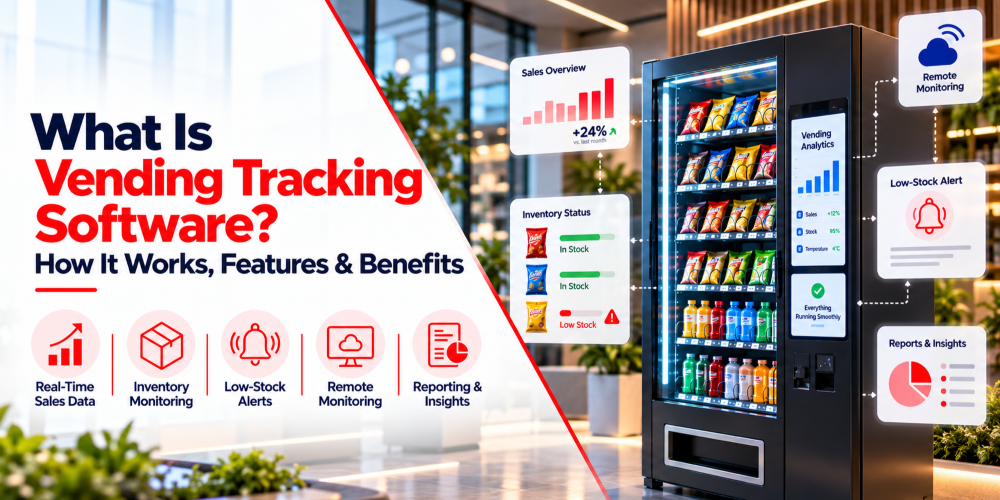
With vending machine software, operators can use inventory tracking, cashless payments, sales analytics, and remote monitoring to improve performance and make better decisions.
In this guide, we’ll explore 10 practical strategies to increase vending machine sales and improve operational efficiency.
Why Are Your Vending Machines Not Generating Enough Sales?
Low vending machine sales aren’t always caused by weak customer demand. Operational issues can also lead to missed sales opportunities.
Common reasons include:
- Frequent Stockouts: Popular products run out before restocking.
- Limited Payment Options: Customers can’t use their preferred payment methods.
- Poor Product Selection: Products don’t match customer preferences.
- Machine Downtime: Technical issues interrupt purchases.
- Limited Sales Visibility: Operators lack insights into product and location performance.
Identifying these problems helps operators make better decisions, improve machine performance, and reduce missed sales opportunities.

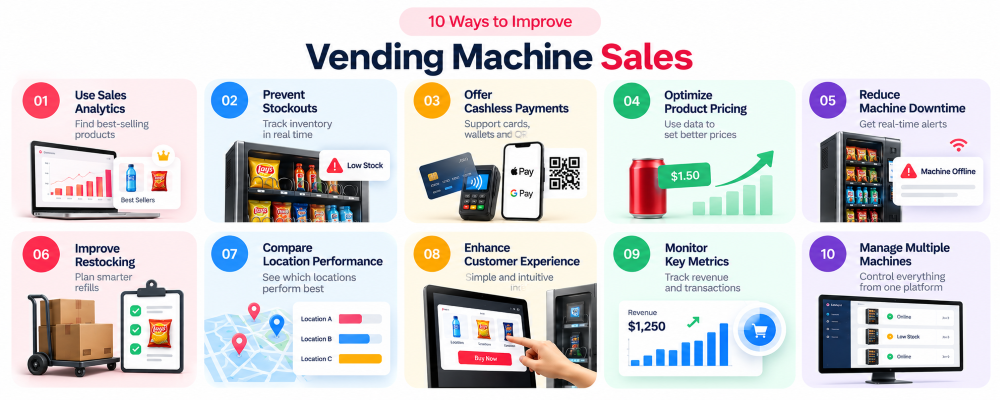
10 Ways to Increase Vending Machine Sales
Improving vending revenue requires a combination of customer convenience, product availability, and informed business decisions.
Here are 10 strategies that can help operators get more value from their existing machines.
1. Use Sales Analytics to Identify Best-Selling Products
Understanding customer buying patterns helps operators stock the right products. Vending machine sales analytics can reveal:
- Best-selling and slow-moving products
- Daily and weekly sales trends
- Peak purchasing hours
- Revenue by machine and location
For example, if bottled water consistently outsells other drinks, operators can increase its stock and replace less popular items to reduce missed sales opportunities.
2. Prevent Stockouts With Real-Time Inventory Tracking
Running out of popular products can lead to missed sales. Vending machine inventory management software helps operators monitor stock levels and plan timely replenishment.
With compatible connected machines, operators can:
- Monitor inventory remotely
- Receive low-stock alerts
- Track product availability
- Identify frequently sold-out items
For example, if a machine regularly runs out of snacks before restocking, operators can adjust stock quantities or refill schedules based on demand.
3. Offer Cashless and Mobile Payment Options
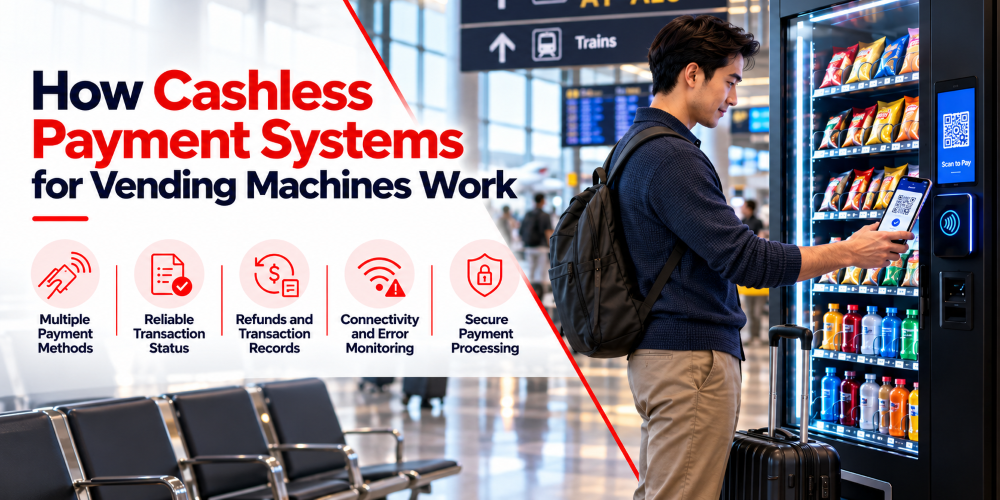
Limited payment options can discourage customers from purchasing. Integrating cashless payment solutions makes transactions more convenient.
Depending on machine compatibility, businesses can support:
- Credit and debit cards
- Contactless payments
- Mobile wallets such as Apple Pay and Google Pay
- QR code payments
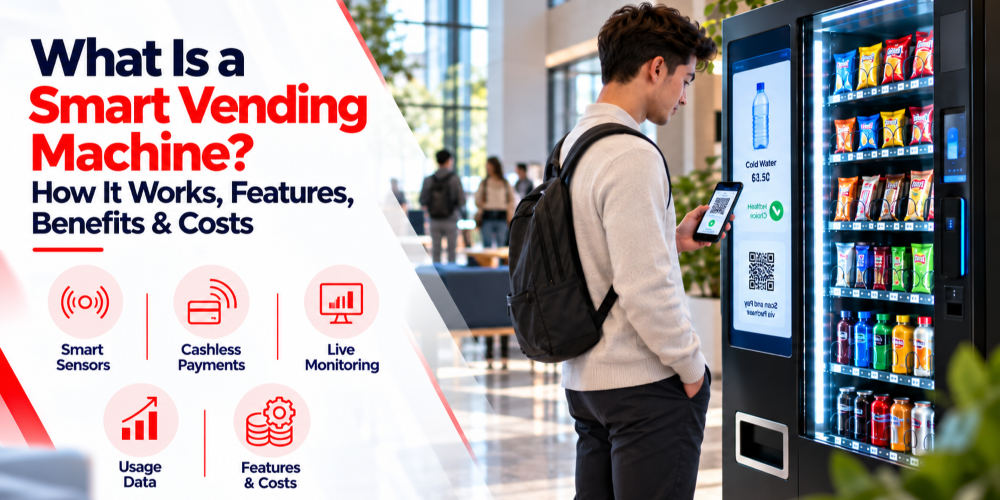
For example, QR-based vending allows customers to scan a code and complete purchases through their smartphones, providing another convenient way to buy products.
4. Optimize Product Pricing Using Sales Data
Effective pricing helps vending operators balance customer demand and profitability. Sales data can guide pricing decisions instead of relying on estimates.
Key factors include:
- Product costs and profit margins
- Sales volume and demand
- Customer purchasing patterns
- Location-specific performance
Vending management software with pricing controls can help businesses review and update prices across compatible machines. Operators should monitor the results of pricing changes to avoid reducing demand.
5. Reduce Machine Downtime With Remote Monitoring
Machine faults, connectivity issues, and payment failures can interrupt sales. Remote monitoring software helps operators identify problems sooner.
Depending on machine connectivity, operators can receive alerts for:
- Connectivity failures
- Payment processing errors
- Machine malfunctions
- Product availability issues
For example, an operator can investigate a machine that stops reporting transactions without waiting for the next scheduled visit, potentially reducing downtime.
6. Improve Restocking With Better Inventory Planning
Poor restocking decisions can cause stockouts, excess inventory, and unnecessary visits. Inventory data helps operators replenish products according to demand.
Software-supported planning can help businesses:
- Prioritize low-stock machines
- Identify high-demand products
- Estimate replenishment quantities
- Plan restocking schedules
For example, an office vending machine may require more frequent weekday restocking, while a recreational location may experience higher weekend demand.
7. Compare Sales Performance Across Different Locations
Vending machine sales vary by location, customer demand, and product selection. A centralized sales dashboard helps operators compare performance.
Important metrics include:
- Revenue and transaction volume
- Average spending per purchase
- Best-selling products
- Product margins and operating costs
For example, an office machine may sell more coffee and snacks, while a gym machine may perform better with water and protein bars. Operators can adjust product selection and restocking schedules accordingly.
8. Improve the Customer Experience With Smart Vending Interfaces
A confusing purchasing process can discourage customers. Smart vending software helps create a simpler and more convenient experience.
Useful interface features include:
- Clear product images and pricing
- Easy product selection
- Simple payment instructions
- Multilingual support
- Digital purchase confirmations
An intuitive touchscreen or mobile vending interface helps customers complete purchases with fewer unnecessary steps.
9. Monitor Sales Reports and Key Performance Indicators
Tracking the right metrics helps operators understand sales performance and identify opportunities for improvement.
Vending machine sales tracking software can provide:
- Daily revenue and transaction reports
- Average transaction value
- Payment success rates
- Inventory availability
- Machine uptime
For example, operators can compare sales before and after changing product selections to evaluate whether the adjustments improved performance.
10. Manage Multiple Vending Machines Through Centralized Software
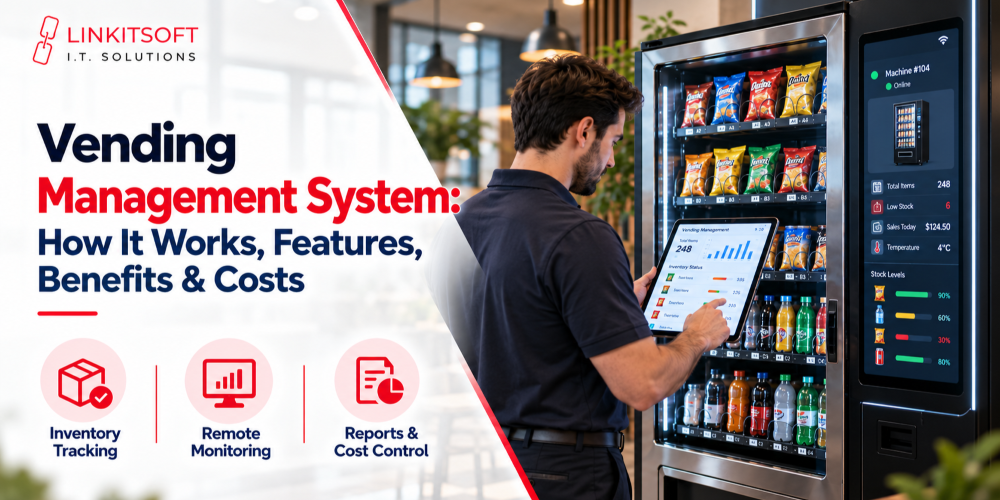
Managing multiple vending machines becomes more complex as a business grows. A centralized vending machine management system brings important operations into one platform.
Depending on business requirements, it can provide:
- Inventory and product management
- Sales and transaction reporting
- Remote monitoring and alerts
- Pricing and catalog controls
- User access management
For example, an operator managing machines across several buildings can review inventory and sales through one dashboard, reducing manual work and improving operational visibility.
Which Metrics Should You Track to Improve Vending Machine Sales?
Improving sales requires more than introducing new technology. Operators also need a way to measure whether their changes are working.
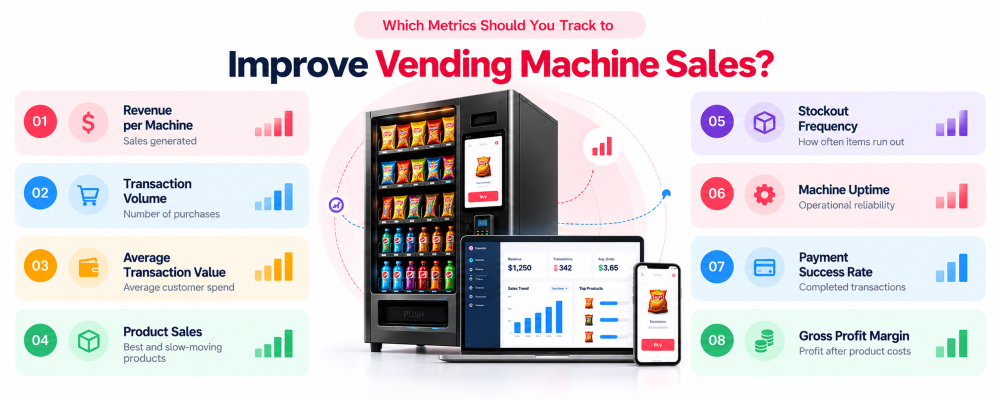
The following metrics can help evaluate vending machine performance.
| Metric | What It Measures | Why It Matters |
| Revenue per Machine | Sales generated by each machine | Helps compare machine performance |
| Transaction Volume | Number of completed purchases | Indicates purchasing activity |
| Average Transaction Value | Revenue divided by completed transactions | Shows average customer spending |
| Product Sales | Units or revenue by product | Identifies popular and slow-moving items |
| Stockout Frequency | How often products become unavailable | Highlights replenishment problems |
| Machine Uptime | Time a machine remains operational | Helps evaluate reliability |
| Payment Success Rate | Percentage of payment attempts completed successfully | Identifies potential checkout problems |
| Gross Profit Margin | Revenue remaining after product costs | Helps assess product profitability |
These figures should be reviewed together.
For instance, increasing revenue with fewer transactions could indicate that customers are spending more per purchase. However, it could also reflect higher prices rather than increased demand.
Similarly, high transaction volumes do not necessarily mean a machine is profitable if product and operating costs are too high.
Regular performance reviews help operators identify meaningful trends and decide where changes are needed.
How Can Custom Vending Machine Software Help Increase Sales?
Every vending business has different operational needs. While ready-made solutions handle basic functions, custom vending machine software offers greater flexibility for specific workflows, hardware, and integrations.
Custom software can help businesses:
- Centralize Management: Monitor multiple vending machines through one dashboard.
- Integrate Payments: Support cashless and mobile payment options.
- Track Inventory: Monitor stock levels and reduce missed sales.
- Analyze Sales: Access reports to improve product and pricing decisions.
- Automate Operations: Simplify monitoring, reporting, and routine tasks.
By connecting these functions, custom software helps vending operators improve efficiency, reduce operational issues, and identify opportunities to increase sales.
How Linkitsoft Supports Smarter Vending Operations
At Linkitsoft, we develop custom vending software solutions tailored to business requirements, including:
- Inventory management and sales reporting.
- Cashless payment integrations.
- Remote monitoring and centralized dashboards.
- Custom vending workflows and system integrations.
Our Vendy project demonstrates this approach through QR-based purchasing, digital payments, inventory synchronization, and centralized management.
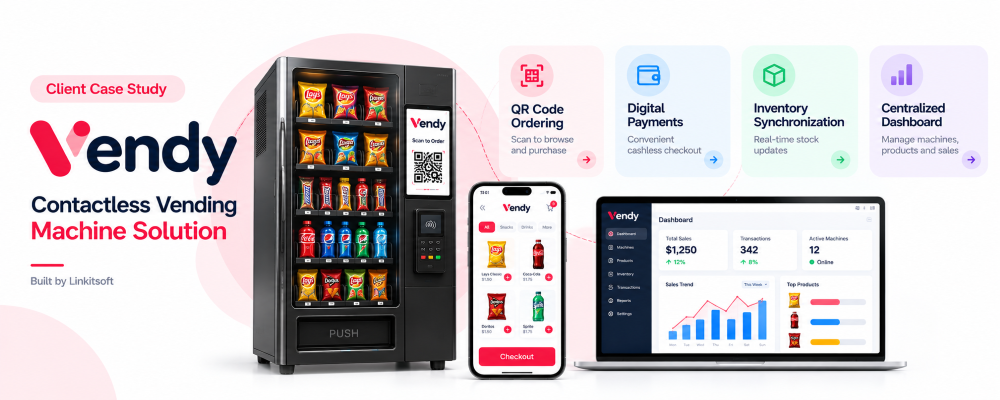
Client Case Study: Vendy – Contactless Vending Machine Solution
Vendy is a contactless vending solution developed by Linkitsoft to simplify purchasing and vending machine management.
The solution includes:
- QR Code Ordering: Customers scan a code to browse and purchase products.
- Digital Payments: Convenient cashless transactions through smartphones.
- Inventory Synchronization: Product availability and stock updates.
- Centralized Dashboard: Manage transactions, products, and vending operations.
This project demonstrates Linkitsoft’s experience in developing connected vending solutions that improve customer convenience and simplify operational management.